A Seasonal Maintenance Guide for Groveland Properties: Prevention Strategies Before Storm and Hurricane Season
In Groveland, the shift into storm and hurricane season changes the way a property behaves. What looked fine in a dry stretch can turn vulnerable once the rain settles in, the air stays heavy, and the cooling system starts working around the clock. In Lake County, that combination of humidity, repeated downpours, and wind-driven weather can expose weaknesses fast. A small roof leak becomes a ceiling stain. A clogged drain line becomes hidden moisture. A minor plumbing drip becomes the start of mold behind drywall.
That is why seasonal maintenance matters so much here. The goal is not just to keep a house tidy or a commercial building presentable. It is to reduce the chance that normal summer conditions become a repair emergency. For owners, property managers, and tenants, the most useful approach is practical and plain: find where water can get in, find where moisture can stay trapped, and fix the conditions that let damage spread.
The same preparation that helps lower the chance of major repairs also makes recovery easier if a storm does hit. A property that has been checked, documented, ventilated properly, and kept in sound condition is usually in a better position when it comes time to clean up, call insurance, or schedule emergency restoration services.
What Groveland properties are up against
The most common seasonal problems in Central Florida are not mysterious. Moisture drives most of them. Mold needs moisture to grow. Water intrusion often starts at predictable weak points like roofing, flashing, windows, doors, plumbing connections, or drainage areas that direct water back toward the building instead of away from it. Interior systems can contribute too. Condensation around HVAC components, drain pan issues, poor bathroom or kitchen ventilation, and even a central AC system that is not controlling humidity well can all feed the same problem.
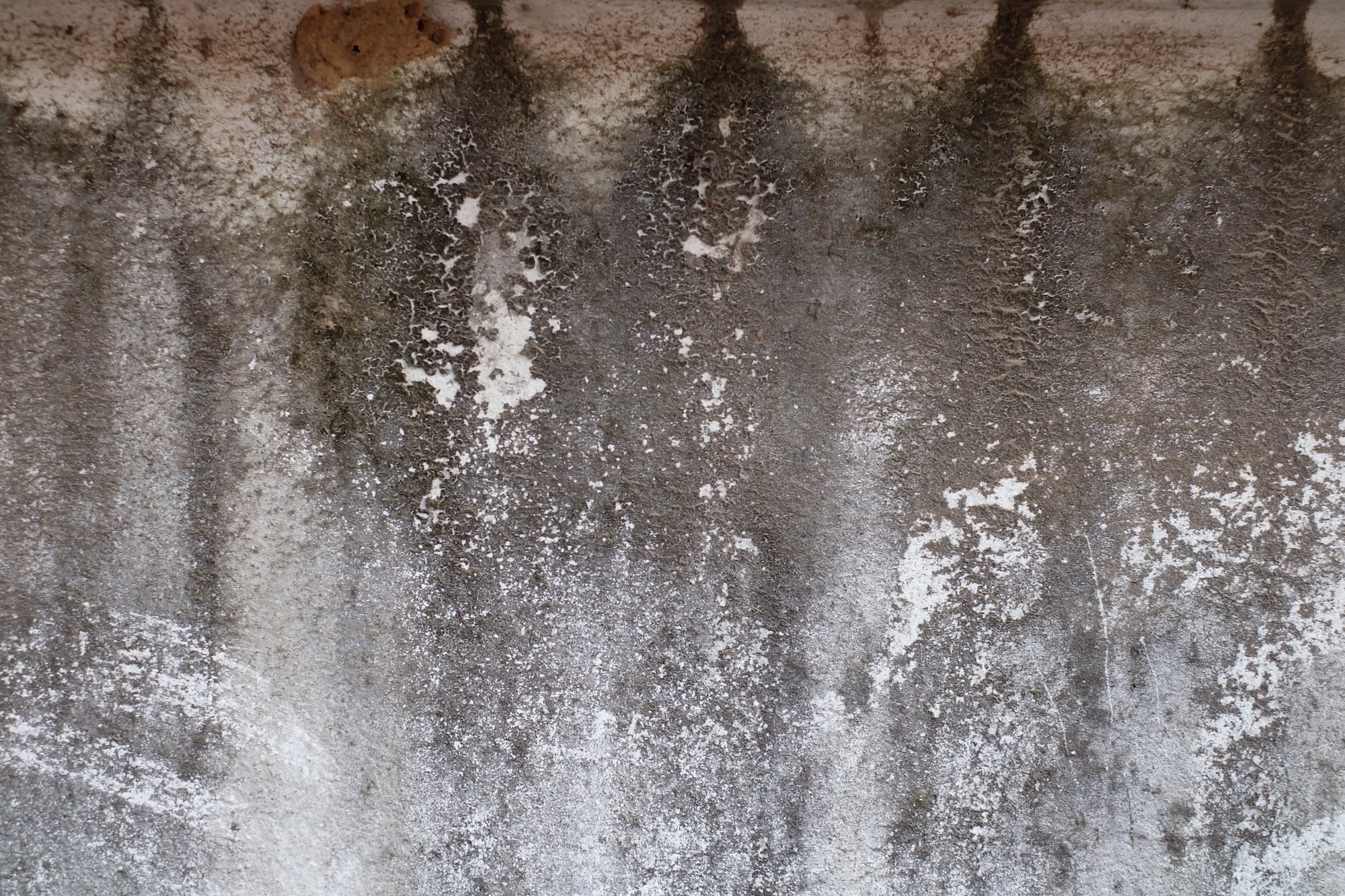
Florida health guidance is clear on one important point: if mold keeps returning, the underlying moisture source still has not been solved. That catches many owners off guard. They wipe a surface, repaint a wall, or run a portable fan for a weekend and think the issue is closed. Then the smell comes back, or spotting returns around the same area. The mold was never the first problem. Water was.
This is also where local judgment matters. A home in Groveland with a long afternoon sun load may have different moisture behavior than a shaded property with dense landscaping. A rental that sits empty part of the week may handle humidity differently than an occupied home where the AC runs steadily. There is no one-size-fits-all checklist that replaces walking the property and noticing how it actually performs.
Start outside, where most trouble begins
When storm season is approaching, the exterior deserves the first close look. Water follows openings, gravity, and neglect. It does not need a dramatic failure to cause damage. A vulnerable seal, a roofing problem, or poor drainage can be enough if the weather stays wet for days.
Roofing is the obvious first concern, but it helps to think beyond shingles or coverings alone. Look at transitions, penetrations, edge conditions, and any area where materials meet. Even without climbing onto a roof, owners can often spot warning signs from the ground or from inside the attic space. Staining, damp insulation, soft sheathing, or discoloration after a rain event deserves attention.
Doors and windows should also be checked before storms become frequent. Weatherstripping, seals, and visible gaps can make a big difference during wind-driven rain. The same goes for wall penetrations around utility lines. Openings that seem minor in dry weather can allow water intrusion under pressure.
Drainage around the property matters just as much as the building envelope. If water collects near the foundation or flows toward the structure, it raises the chance of interior moisture, odors, and contamination after a severe weather event. Many property issues that later require water damage cleanup in Central Florida begin outside with poor grading or blocked discharge paths.
One of the most useful habits is to walk the property during or right after a heavy rain when it is safe to do so. That is often when hidden patterns reveal themselves. You see where water ponds, where it splashes against walls, where downspouts overwhelm an area, or where runoff crosses a walkway and heads straight toward a doorway. Those observations are far more valuable than assumptions made on a clear day.
Humidity control is not a luxury in this climate
Many owners focus on leaks and forget that ambient moisture can create plenty of trouble on its own. In a humid Florida summer, buildings absorb and hold moisture in ways that are not always obvious. A property can have no major storm damage and still develop mold, musty odors, or HVAC-related issues if indoor humidity stays too high.
Florida health guidance notes that when a central AC system is being used to keep humidity below 60 percent, the system should be examined for problems if it is not doing that job effectively. That point is worth taking seriously. If the system runs but the indoor air still feels damp, or if vents, air handlers, or nearby surfaces show recurring signs of moisture, it is time to look closer.
This is where HVAC mold remediation sometimes enters the picture. Not every musty smell means contamination inside the system, but cooling equipment can contribute to moisture problems through condensation, blocked drains, or poorly maintained components. In the field, one of the more frustrating situations is when a property owner keeps treating a mold symptom in a bedroom or hallway while the actual moisture pattern traces back to AC performance and airflow. The building tells the truth if you pay attention long enough.
A good seasonal inspection includes more than changing a filter. Drain pans, drain lines, visible condensation, and signs of moisture around indoor equipment all deserve a careful look. If there is visible mold around vents or repeated staining near air handling components, that is not something to ignore until fall.
The quiet early signs people miss
Storm prep often gets reduced to big-ticket items, yet some of the most useful prevention work happens in small observations made early. Seasonal damage rarely appears all at once. It usually leaves clues first.
Here are five signs worth taking seriously before weather intensifies:
- A room that smells musty even after cleaning and airing out.
- Ceiling or wall stains that seem to darken after rain.
- Condensation that keeps returning on windows, vents, or nearby surfaces.
- Bubbling paint, soft trim, or swollen baseboards near bathrooms, kitchens, or exterior walls.
- A central AC system that cools, but leaves the home feeling damp.
Each of those can point to active moisture. None should be written off as normal Florida living. Humidity is common here, but persistent dampness inside a building is not something to normalize.
Mold prevention takes more than bleach and good intentions
Mold removal Groveland homeowners ask about often starts with a simple question: can this be cleaned, or is there a larger issue behind it? The answer depends less on the appearance of the growth and more on what is feeding it. Florida health guidance emphasizes that visible mold or recurring mold means the moisture source still needs to be corrected. Without that step, cleaning becomes temporary.
Bathrooms, kitchens, laundry areas, and closets on exterior walls are frequent trouble spots because they combine moisture with limited airflow. Flooding is not required. Condensation, plumbing drips, roof leaks, and poor ventilation are enough. The same applies after a storm. A property can dry on the surface while retaining moisture inside materials.
That is where restraint helps. People often want to tear into walls immediately or, on the other end, cover a problem with paint and deodorizer. Neither extreme is wise without understanding what is wet, what is contaminated, and what can safely stay. If the issue is extensive, or if HVAC involvement is suspected, a licensed professional becomes especially important. In Florida, mold assessor and mold remediator licensure is handled by the Department of Business and Professional Regulation. That matters because storm-season moisture work is not just a cleanup task. It can involve building materials, air systems, and occupant health concerns.
Odor removal is another area where owners can lose time and money by treating the symptom rather than the cause. Musty smells, sour smells, and lingering storm odors usually indicate residual moisture, contamination, or affected materials. If the source remains, fragrance products only mask the issue for a short time.
Older properties need a different kind of caution
Seasonal maintenance on older homes or older commercial spaces has an extra layer. If renovation, repair, or storm recovery work is likely, hazardous materials need to be part of the conversation. That is especially true when water intrusion, demolition, or remodeling disturbs original materials.
For homes built before 1978, EPA guidance warns that renovation, repair, or painting can disturb lead-based paint. That does not mean every older home contains it, but it does mean owners should slow down before sanding, cutting, scraping, or tearing out damaged materials after a storm.
The same practical caution applies to asbestos-containing materials in older structures. EPA guidance makes clear that demolition or renovation involving asbestos-containing materials must be handled under applicable rules. In local terms, that can make Groveland FL asbestos testing an important first step before major interior tear-out begins, especially after a leak, flood, or wind event has damaged walls, ceilings, flooring, or mechanical areas. If asbestos is identified, asbestos abatement Lake County property owners schedule should be handled correctly rather than folded into general demolition.
This issue often surfaces after storms because people are in a hurry. A ceiling collapses, a floor gets soaked, or a contractor wants to open a large area to speed drying. Urgency is understandable, but disturbing suspect materials without the right precautions can create a second problem in the middle of the first.
Flooding changes the cleanup rules
Once floodwater enters a structure, the conversation shifts from routine maintenance to contamination control. FEMA and CDC guidance emphasize safety first during reentry, particularly around utilities and contamination risks. Standing water may hide hazards. Flooded structures may contain mold, sewage, or both. Electricity, gas, and structural conditions can also complicate access.
The first instinct after a flood is usually to save belongings. That is human nature, but there are a few priorities that should come first when reentry is safe and allowed:
- Confirm safety around utilities and obvious hazards before spending time inside.
- Document damage thoroughly for insurance before cleanup changes the scene too much.
- Separate obviously contaminated items from those that may be salvageable.
- Discard food that has been exposed to flood or storm water.
- Use generators carefully, with carbon monoxide and fire risk in mind.
That mix of caution and documentation matters more than many people realize. FEMA recovery guidance supports documenting damage and coordinating with the insurer during cleanup and repairs after flood, storm, smoke, or fire events. NAIC consumer guidance also reminds homeowners that policies are legal contracts, so it helps to ask questions, understand what the policy says, and keep an inventory that supports a claim.
From a restoration standpoint, not all water events are equal. Clean water from a small supply leak is different from stormwater that entered from outside. Once contamination is involved, sewage cleanup or flood cleanup needs a tighter safety approach. The area may need to be isolated, protective precautions matter, and porous materials may not all be recoverable. CDC guidance on sewage backups underscores the health risk here. This is not a shop-vac-and-fan situation.
Fire, smoke, and storms sometimes overlap
People tend to separate weather damage from fire loss, but storm season can involve both. Power issues, lightning, generator misuse, and post-storm electrical problems can lead to fire events. Even a relatively small fire creates layered damage. There is the direct burn damage, of course, but smoke movement, soot deposition, and water used in suppression often spread well beyond the point of origin.
The first 24 hours after a home fire matter. U.S. Fire Administration guidance points to safety checks, salvaging what is safe, and beginning insurance and recovery steps promptly. In practical terms, that means resisting the urge to rush in, move everything at once, or discard heavily affected items before documentation. Fire and smoke damage cleanup often depends on how quickly the conditions are stabilized and how carefully the damage is recorded.
Odor removal after smoke exposure is another place where half-measures tend to fail. Smoke odor does not only sit in the air. It can settle into porous materials, HVAC pathways, and residues left behind on surfaces. If storm-related power events or electrical failures contribute to a fire, the cleanup path may involve both fire restoration and water-related drying work.
What a smart pre-season routine looks like
The best seasonal maintenance plans are not glamorous. They are consistent. They focus on the parts of a property that fail quietly before they fail dramatically. For a Groveland property, that usually means looking at exterior water management, interior humidity control, visible signs of hidden moisture, and any deferred repairs that could widen under storm pressure.
For homeowners, this may be as simple as setting aside a half day before the wettest part of the season to inspect the house with a notebook and phone. Photograph current conditions. Note any active stains, odors, or soft materials. Watch how the AC is performing. Check rooms that are rarely used, because moisture often builds there unnoticed.
For landlords and commercial operators, the process should be more disciplined. Repeated tenant complaints about smells, dampness, or condensation deserve trend tracking rather than one-off responses. A complaint that appears every summer is a building performance clue.
A remediation company Lake County owners trust will usually tell you the same thing: prevention costs less than reactive demolition, and quick action after early warning signs often protects more materials. That does not mean every issue turns into a major restoration job. It means the difference between a maintenance repair and hurricane damage restoration Florida Groveland FL cleanup and restoration property owners dread is often timing.
When to stop troubleshooting and call for help
There is a line between routine maintenance and conditions that call for professional intervention. Property owners get into trouble when they cross that line without realizing it. If there is recurring mold, significant water intrusion, suspected sewage contamination, smoke spread, or possible disturbance of older suspect materials, it is time to slow down and bring in the right expertise.
That is especially true after severe storms. Emergency restoration services exist for a reason. Fast response can help stabilize wet areas, reduce secondary damage, and sort out what is salvageable. It can also help owners avoid making an insurance situation harder by discarding damaged materials too early or failing to document losses properly.
A similar judgment call applies to older buildings where demolition may expose hazardous materials. If storm repairs will involve opening walls, ceilings, flooring, or older insulation and finishes, Groveland FL asbestos testing may be the prudent first step before work accelerates. If asbestos is confirmed, asbestos abatement Lake County regulations and procedures matter more than anyone’s desire to move quickly.
There is also a simple common-sense threshold. If you cannot identify the moisture source, if the odor keeps returning, if the room never seems to dry, or if contamination is obvious, guesswork is no longer efficient.
The properties that fare best are usually the ones watched closely
The properties that come through storm season best are not always the newest or the most expensive. Often, they are the ones that are observed carefully and maintained without delay. Someone notices when a closet starts smelling different. Someone pays attention when the AC cools but the house still feels sticky. Someone checks a stain after the second hard rain instead of the tenth. Those habits do not eliminate weather risk, but they reduce the chance that a manageable issue turns into mold growth, contaminated flooding, or large-scale tear-out.
For Groveland owners, the useful mindset is simple. Treat moisture as a problem to understand, not just a mess to wipe up. Respect what older materials may contain before cutting into them. Document conditions before and after storms. Ask direct questions of your insurer. And if a storm, flood, smoke event, or sewage backup crosses the line from maintenance issue to health or safety concern, bring in professionals who handle water damage cleanup Central Florida properties need under these conditions.
Seasonal preparation is rarely dramatic. It is a series of smart, unremarkable decisions made early enough to matter. In this part of Florida, that is often what protects a property best.